Kaiser

Kaiser yachting


Yachting


Bol

Split - 14 days to the south

Day 1. Split -  Welcome to Split - a 1700-year-old city located in the heart of Central Dalmatia! The Roman Cesar Diocletian ruled the world from this city, leaving an inheritance of architecture that takes ones breath away. Aside from that, Split will impress you with the southern temperament of its citizens and its excellent tourist offerings. Of interest to sports enthusiasts, along with the many sporting venues, is the fact that Split has given the American NBA three basketball players! Come and convince yourself that Split´s charm is irresistible! ACI marina Split is located in the southwestern part of city port, has 364 berth and 60 boat places on the ground, and it is open all year ground.


Day 2. Milna (island of Brac) – This little and tipical adriatic town is located in the bottom of a bay on the western part of the island. This is one of the best protected marinas on the Adriatic coast. It is well adorned and opened all year round. Marina Milna gives to all nautics a possibility to enjoy beauties of unique coast.

ACI marina Milna is located in the southeastern part of Milna bay, opposite to the town of Milna. The marina has 144 berths and 15 boat places on the ground.


Day 3. Palmizana (island of Hvar) – Palmizana is a small island, near-by Hvar, in the southern part of the Adriatic sea. This area hides a great wealth of antique ship-wrecks and amphores, and sea is rich with fish, corals and intact, extremly clean underworld.

ACI marina Palmizana is located in the bay of the same name, in the northeastern coast of St. Clements island. Marina provides 160 berths and it is open from april to october.


Day 4. Komiza and Vis(island of Vis) – Located in the deep bay on the western coast of Vis island, in the foot of Hum hill, Komiza attracts tourists from all around the world. We recommend you to see: castle from 15th cetntury, St. Nichola´s monastery from 13th century better known as Muster, romanic church from 13th century and rich wine cellar Podspilja.

Vis – this charming town on the island of the same name, where one culture followed the other, was known in ancient greek and roman time as Issa. Today, Vis is a real nautical paradise. For all culture lovers, during a season time, Vis offers you numerous concerts as a part of Vis musical evenings. Archelogical museum located in a 19th century fortress gives you a pleasure to enjoy the treasures of antique Issa. Numerous restorans and taverns will offer you some of the best fish specialities in tih part of Dalmatia. Enjoy!


Day 5. Bisevo (Modra spilja) – When you are near island of Vis, Biseva with its Modra spilja (Blue cave) should be your next destination. It is located in a little vale named Balun. On the eastern part of island of Bisevo. Cave has to openings- one smaller, artificial, big enough for a smaller boat to pass through, and the other, much wider arch-looking, in the southern part of the cave. When the sun light passes through this underwater opening, it breaks, and then reflects itself from the cave bottom in a beautiful blue light. This phenomenon appears every day between 11 and 12 am. The well protected port of Bisevo (Porat) has two harbours.  


Day 6. Vela Luka – Vela Luka is a place on Korcula island, bulit in local variation manners of Mediterranean architecture by the end of 19th century. Vela Luka gives you a great protection in its very own port. While staying in Vela Luka, you should visit chapel of St. Kuzma and Damjan (11th century), chapel of St. John the Baptist (15th century) and a charming chapel of St. Vincenco (16th century). Islets Osjak and Proizd with numerous hidden bays, small beaches and cristal blue sea are ideal swimmnig location on your cruise.


Day 7. Zaklopatica (island of Lastovo) – Zaklopatica is a wooded bay placed on the northern side of the southern Dalmatian island of Lastovo. It is only 2 km from the inland city of Lastovo and 7 km from the ferry port of Ubli. Besides 15-odd houses and three restaurants, the island offers a lot of sunshine and crystal clear waters. Zaklopatica as well as the rest of Lastovo is heaven for divers and yachtsmen who can enjoy the well-know beauties of the Lastovo archipelago and its magnificent bays.


Day 8. Polace – Polace is a small place in the bay of the same name in the western part of the northern part of Mljet. Bay is 5,6 km long and to 3,9 km wide, well protected by numerous, almost deserted islets (Moracnik, Tajnik, Kobrava, Ovrata). Because of the near-by lakes (Veliko and Malo jezero), Polace is also a port of Mljet lakes, with its own natural spring water. Great maritime qualities, cultural and monumental inheritance are an attraction for numerous nautics and antiquarians.


Day 9. Okuklje (island of Mljet) - One of the most hidden bays on the island of Mljet. It is also a favourite anchor of many sailsmen, located in the most well protected bays on the island of Mljet. Okuklje is a settlement as well as the bay, only 11km from Babino Polje. As a part of National Park Mljet, Okuklje is a perfect place for those who take pleasure in nature, peace and quiet – far away from city crowd.


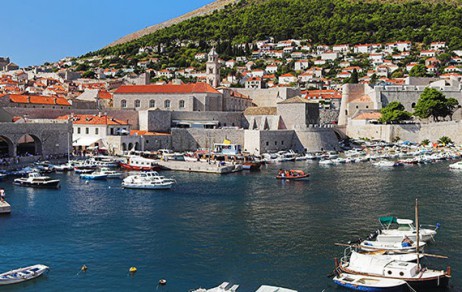
Day 10. Dubrovnik – city of long-lasting tradition of organised tourism, city of museums, festivities, taverns and restaurants. It is a city of a true Mediterranean climate and breath-taking landscapes, culture, monuments and history. As famous irish writer Bernard Shaw once said: «Those who are looking for a paradise on Earth, must come to Dubrovnik»

ACI marina Dubrovnik is located nearby Komolac, about 2 nm from entrance in port Gruz, and only 6 km from city center. Marina provides 425 berths and 140 boat places on the ground.


Day 11. Sipan - Sipan is the largest island in Elafiti archipelago. It is also the richest in cultural heritage. It stretches between the islands of Lopud i Jakljan, just a few miles off the coast of Dubrovnik. During different epoch in history, Sipan was called by different names: Tauris (Roman times), Gypanon (Greek times), Giupana, Zupanno (Itailan), until it was finaly called Sipan (Croatian, from 1370). Sipan is a host to a number of churches (over 30) dating back to Middle Ages. One of the oldest ones is St. Peter´s. Its story is quite interesting. It was first mentioned (in a written document) in 1275. It was then renovated and raised higher. Unfortunately, soon after it was destroyed. You can still see the remains of its past edifice. The island of Sipan is magnificent in its natural beauty. Its inhabitants are warm and welcoming. Interestingly, they preserve the language of their ancestors (quite similar to the language spoken of Dubrovnik, slightly different accentuation on some words). If you´re visiting Sipan and you just cannot or do not want to do without the touch of 21st ct., there are cafe bars, restaurants and a hotel to keep you in the now. 


Day 12. Korcula  - The island of Korcula is one of the biggest and most populated island of Dalmatia, the Mediterranean region situated in the Adriatic sea. It is the southernmost island of the Adriatic Middle-Dalmatian islands, and as so is the whole region part of the State territory of the Republic of Croatia. It has a surface of 276 square km, is 46,8 km long with the wides part being 7,8 km. The east side of the island is only 1270 m far from the land and peninsula Peljesac, while the west side ranges deeply into the Adriatic Sea. Along its shore there are 50 smaller islets. The island is built from lime-stone with its highest peak of 568 m (Klupca). The majority of inhabitants live off tourism and agriculture (vines, olive-trees, vegetables and citrus fruits). A minor part makes a living by sailing around the seas of the world (maritime and shipbuilding are traditions of the whole region and by other activites. 


Day 13. Jelsa (island of Hvar) – Located in the central part of the island of Hvar, clean, friendly and most important architectural beautiful, Jelsa is an important touristic center on the northern coast of a center part of this island. This charming town, surrounded by pines, beautiful beaches, vineyards and olive-yards,  give Jelsa an attractive power. Jelsa used to be one of the biggest and most important martime, ship-building and commercial centers on the Adriatic sea. All transatlantic sailing-boats, loaded with best wines, olive-oil and salted fish began their sailing from Jelsa, a harbour of aknowledged sailors (captain Niko Dubokovic). Jelsa is first mentioned in 14th century, but some archeological discoveries testify about its long history. 


Day 14. Bol (island of Brac) - Bol is an attractive summer resort situated on the south shore of the island of Brac, one of the sunniest Adriatic islands. Not far from Brac lies the beauty queen o the Adriatic beaches - Zlatni rat - a paradise for windsurfers and lovers of water sports. This elongated sandbank consisting of millions tiny grains of sand immerses into the blue open sea with its length of 634 metres! If you wish active holidays full of sports, recreation and the company of young people, come to Bol!